MEanwhile the hainous and despightfull act
Of Satan done in Paradise, and how
Hee in the Serpent, had perverted Eve,
Her Husband shee, to taste the fatall fruit,
Was known in Heav'n; for what can scape the Eye
Of God All-seeing, or deceave his Heart
Omniscient, who in all things wise and just,
Hinder'd not Satan to attempt the minde
As the dead prey upon us, they are the dead in ourselves, awake, my sleeping ones, I cry out to you, disentangle the nets of being!
I pushed my car, it had been sitting so long unused. I thought the tires looked as though they only needed air. But suddenly the huge underbody was above me, and the rear tires were masses of rubber and thread variously clinging together
PART I 'Tis the middle of night by the castle clock, And the owls have awakened the crowing cock; Tu—whit! Tu—whoo! And hark, again! the crowing cock, How drowsily it crew. Sir Leoline, the Baron rich, Hath a toothless mastiff bitch; From her kennel beneath the rock She maketh answer to the clock, Four for the quarters, and twelve for the hour; Ever and aye, by shine and shower, Sixteen short howls, not over loud; Some say, she sees my lady's shroud.
I I weep for Adonais—he is dead! Oh, weep for Adonais! though our tears Thaw not the frost which binds so dear a head! And thou, sad Hour, selected from all years To mourn our loss, rouse thy obscure compeers, And teach them thine own sorrow, say: "With me Died Adonais; till the Future dares Forget the Past, his fate and fame shall be An echo and a light unto eternity!"
II Where wert thou, mighty Mother, when he lay, When thy Son lay, pierc'd by the shaft which flies In darkness? where was lorn Urania
There is something in the sound of drum and fife
That stirs all the savage instincts into life.
In the old times of peace we went our ways,
Through proper days
Of little joys and tasks. Lonely at times,
When from the steeple sounded wedding chimes,
Telling to all the world some maid was wife—
But taking patiently our part in life
AN ANATOMY OF THE WORLD Wherein, by occasion of the untimely death of Mistress Elizabeth Drury, the frailty and the decay of this whole world is represented THE FIRST ANNIVERSARY When that rich soul which to her heaven is gone, Whom all do celebrate, who know they have one (For who is sure he hath a soul, unless It see, and judge, and follow worthiness,
When he pushed his bush of black hair off his brow: When she lifted her mop from her eyes, and screwed it in a knob behind —O act of fearful temerity! When they felt their foreheads bare, naked to heaven, their eyes revealed: When they left the light of heaven brandished like a knife at their defenceless eyes
1. i'm crazy bout that chile but she gotta go. she don't pay me no mind no mo. guess her mama was right to put her out cuz she couldn't do nothin wid her. but she been mine so long. she been my heart so long now she breakin it wid her bad habits. always runnin like a machine out of control;
As I was going down impassive Rivers, I no longer felt myself guided by haulers: Yelping redskins had taken them as targets And had nailed them naked to colored stakes.
My sister in her well-tailored silk blouse hands me the photo of my father in naval uniform and white hat. I say, “Oh, this is the one which Mama used to have on her dresser.”
My sister controls her face and furtively looks at my mother, a sad rag bag of a woman, lumpy and sagging everywhere, like a mattress at the Salvation Army, though with no holes or tears, and says, “No.”
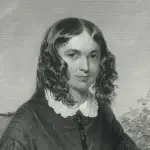
60 Her eye (I'm very fond of handsome eyes) Was large and dark, suppressing half its fire Until she spoke, then through its soft disguise Flash'd an expression more of pride than ire, And love than either; and there would arise A something in them which was not desire, But would have been, perhaps, but for the soul Which struggled through and chasten'd down the whole.
61 Her glossy hair was cluster'd o'er a brow Bright with intelligence, and fair, and smooth; Her eyebrow's shape was like the aerial bow, Her cheek all purple with the beam of youth,
My voice, not being proud Like a strong woman’s, that cries Imperiously aloud That death disarm her, lull her— Screams for no mourning color Laid menacingly, like fire, Over my long desire. It will end, and leave no print.
'There it is!– You play beside a death-bed like a child, Yet measure to yourself a prophet's place To teach the living. None of all these things, Can women understand. You generalise, Oh, nothing!–not even grief! Your quick-breathed hearts, So sympathetic to the personal pang,
Ne Rubeam, Pingui donatus Munere (Horace, Epistles II.i.267) While you, great patron of mankind, sustain The balanc'd world, and open all the main; Your country, chief, in arms abroad defend, At home, with morals, arts, and laws amend;
Not that his judgment eyes have been forgotten nor his great hands’ print on our evening doorknobs one half turn each night and he would come drabbled with the world’s business
I tell thee, Dick, where I have been, Where I the rarest things have seen; Oh, things without compare! Such sights again cannot be found In any place on English ground, Be it at wake, or fair.








Comment form: