Openly, yes, With the naturalness Of the hippopotamus or the alligator When it climbs out on the bank to experience the
Sun, I do these Things which I do, which please No one but myself. Now I breathe and now I am sub- Merged; the blemishes stand up and shout when the object
In view was a Renaissance; shall I say The contrary? The sediment of the river which Encrusts my joints, makes me very gray but I am used
I went out to the hazel wood, Because a fire was in my head, And cut and peeled a hazel wand, And hooked a berry to a thread; And when white moths were on the wing, And moth-like stars were flickering out, I dropped the berry in a stream And caught a little silver trout.
When I had laid it on the floor I went to blow the fire a-flame, But something rustled on the floor, And someone called me by my name: It had become a glimmering girl With apple blossom in her hair
In the greenest of our valleys By good angels tenanted, Once a fair and stately palace— Radiant palace—reared its head. In the monarch Thought’s dominion, It stood there! Never seraph spread a pinion Over fabric half so fair!
I would to God, that mine old age might have Before my last, but here a living grave; Some one poor almshouse, there to lie, or stir, Ghost-like, as in my meaner sepulchre; A little piggin, and a pipkin by, To hold things fitting my necessity, Which, rightly us'd, both in their time and place, Might me excite to fore, and after, grace.
Romance, who loves to nod and sing, With drowsy head and folded wing, Among the green leaves as they shake Far down within some shadowy lake, To me a painted paroquet Hath been—a most familiar bird— Taught me my alphabet to say— To lisp my very earliest word While in the wild wood I did lie, A child—with a most knowing eye. Of late, eternal Condor years So shake the very Heaven on high With tumult as they thunder by, I have no time for idle cares Through gazing on the unquiet sky.
1. i'm crazy bout that chile but she gotta go. she don't pay me no mind no mo. guess her mama was right to put her out cuz she couldn't do nothin wid her. but she been mine so long. she been my heart so long now she breakin it wid her bad habits. always runnin like a machine out of control;
Not that his judgment eyes have been forgotten nor his great hands’ print on our evening doorknobs one half turn each night and he would come drabbled with the world’s business
Then said Almitra, Speak to us of Love. And he raised his head and looked upon the people, and there fell a stillness upon them. And with a great voice he said: When love beckons to you, follow him, Though his ways are hard and steep. And when his wings enfold you yield to him,
MARIA NEFELE: I walk in thorns in the dark of what’s to happen and what has with my only weapon my only defense my nails purple like cyclamens.
ANTIPHONIST: I saw her everywhere. Holding a glass and staring in space. Lying down listening to records. Walking the streets in wide trousers and an old
Seems lak to me de stars don't shine so bright, Seems lak to me de sun done loss his light, Seems lak to me der's nothin' goin' right, Sence you went away.
Seems lak to me de sky ain't half so blue, Seems lak to me dat eve'ything wants you, Seems lak to me I don't know what to do, Sence you went away.
Now that I, tying thy glass mask tightly, May gaze thro’ these faint smokes curling whitely, As thou pliest thy trade in this devil’s-smithy— Which is the poison to poison her, prithee?
He is with her, and they know that I know Where they are, what they do: they believe my tears flow While they laugh, laugh at me, at me fled to the drear Empty church, to pray God in, for them!—I am here.
Grind away, moisten and mash up thy paste, Pound at thy powder,—I am not in haste! Better sit thus and observe thy strange things, Than go where men wait me and dance at the King’s.
Before our lives divide for ever, While time is with us and hands are free, (Time, swift to fasten and swift to sever Hand from hand, as we stand by the sea) I will say no word that a man might say Whose whole life's love goes down in a day; For this could never have been; and never, Though the gods and the years relent, shall be.
Is it worth a tear, is it worth an hour, To think of things that are well outworn? Of fruitless husk and fugitive flower, The dream foregone and the deed forborne? Though joy be done with and grief be vain, Time shall not sever us wholly in twain;
She walks in beauty, like the night Of cloudless climes and starry skies; And all that’s best of dark and bright Meet in her aspect and her eyes; Thus mellowed to that tender light Which heaven to gaudy day denies.
If Heaven has into being deigned to call Thy light, O Liberty! to shine on all; Bright intellectual Sun! why does thy ray To earth distribute only partial day? Since no resisting cause from spirit flows Thy universal presence to oppose; No obstacles by Nature’s hand impressed, Thy subtle and ethereal beams arrest;
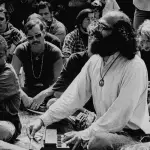
America I’ve given you all and now I’m nothing. America two dollars and twentyseven cents January 17, 1956. I can’t stand my own mind. America when will we end the human war? Go fuck yourself with your atom bomb. I don’t feel good don’t bother me. I won’t write my poem till I’m in my right mind. America when will you be angelic?
Oh! yet one smile, tho' dark may lower Around thee clouds of woe and ill, Let me yet feel that I have power, Mid Fate's bleak storms, to soothe thee still.
Tho' sadness be upon thy brow, Yet let it turn, dear love, to me, I cannot bear that thou should'st know Sorrow I do not share with thee.



Comment form: